

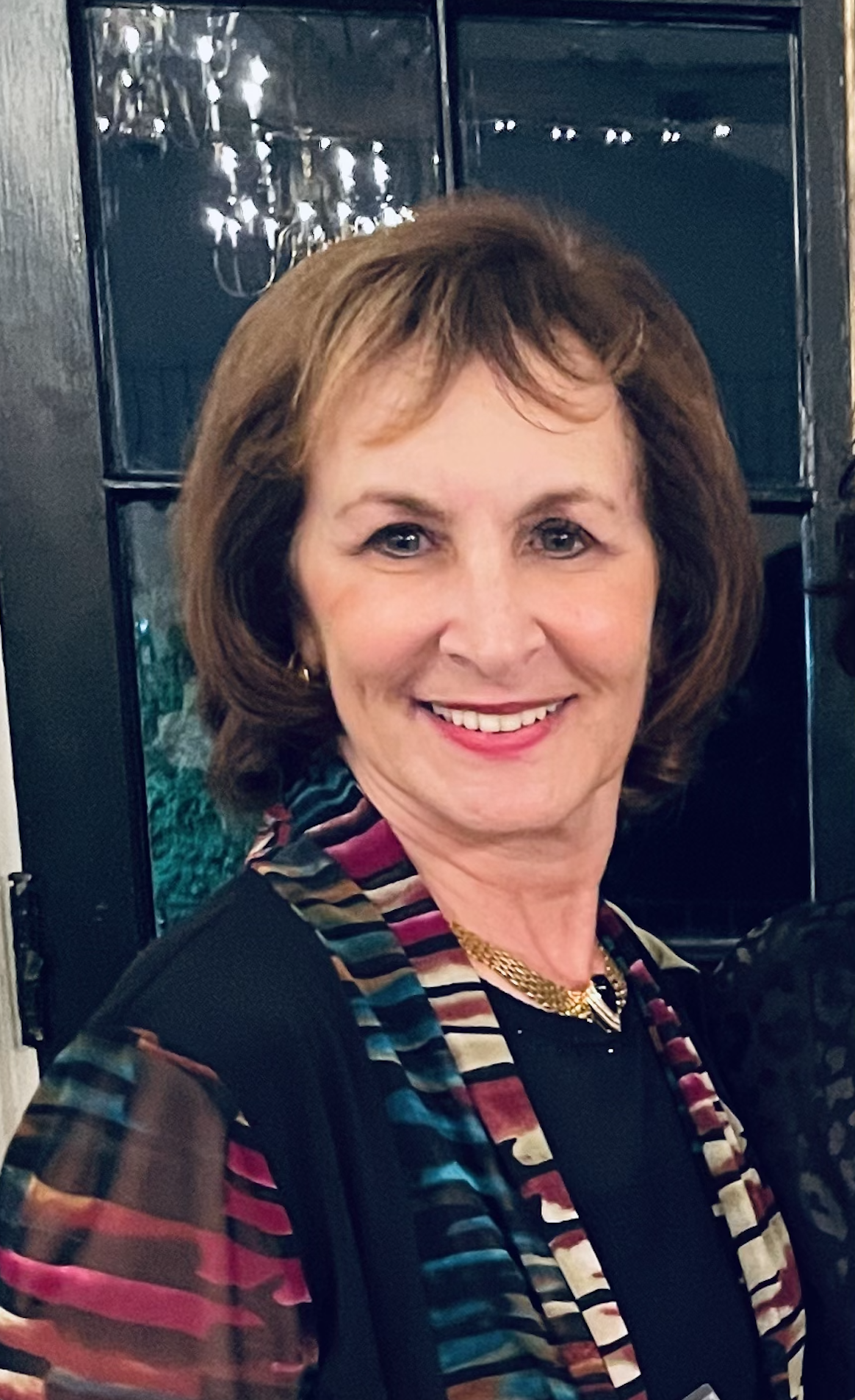
Sharon Harris
Since first watching Gone with the Wind and West Side Story on the big screen at a young age, Sharon Harris has loved Classic Hollywood. In October 2016, she brought that passion to the Jersey Shore and introduced her “Hooray for Hollywood,” adult enrichment program for Stockton University’s Friends of Encore Learning at Stockton (FELS). Coursework began with Thomas Edison’s 1890s invention of the motion picture and the class just completed Season 10.
Sharon took years of research to launch her Hollywood history lecture series throughout South Florida and southern New Jersey in 2018. An expanding roster of topics includes Music of the 1960s and in-depth looks at beloved films Gone with the Wind, The Godfather and Casablanca. Additional programs profile the early studio moguls, Jewish Vaudeville in film, Hollywood and the 1930s Nazi threat, the film industry before, during and after WWII, the House Un-American Activities Committee (HUAC), Film Noir and many more.
Raised in suburban Philadelphia, Sharon worked in public relations for the arcade and vending industries from the 1980s through the mid-1990s. She became a freelance U.S and international business and consumer journalist in 1993. In her leisure time, Sharon enjoys watching old movies, lecturing to summer audiences at the Jersey Shore, listening to Classic Rock music from her childhood and attending live concerts and theater.
INCLUDE
Sounds Of The ‘60s
The 1960s was a turbulent decade of life-changing cultural, political, racial and national events. The era’s music reflected America’s evolving society, as a younger generation took the reins of leadership and created a different nation. Enjoy this one-hour overview of three different genres of ‘60s music that represent the early, middle and final years of the decade. You will surely know them all and can sing along to your favorites!
Note: The topic can also be covered in three hour-long lectures that look more expansively at the early, middle and final years of ‘60s music.
Part One (1960-1964)
The first part of the 1960s mixed music about cars, the beach, dances and teen angst over young love. This one-hour lecture looks at the early days of a decade that began in “Camelot” and ended in Vietnam. Several big-name stars of that era, including The Beach Boys, Frankie Avalon and Connie Francis will be spotlighted. We’ll also look at some of the fun movies of the time, including Viva Las Vegas, which starred Elvis and Ann-Margret.
Part Two (1964-1967)
The British are coming! The British are coming! The middle years of the ‘60’s highlighted two main music genres…the British Invasion and the soulful sounds of Motown, based in Detroit. It began with The Beatles, those four lads who changed the world. They “got by with a little help from their friends.”
At the same time, mainstream American radio embraced Motown’s many male and female singers. Did The Four Tops “top” The Temptations or was it the other way around? A terrific film clip will leave you still undecided. And, who could perform soul music better than Aretha Franklin? This lecture also includes a clip of one of her best performances.
Part Three (1967-1970)
The music of the final years of the ‘60s reflected an unpopular war and changing culture. Groups came and went, but the music sent a message and endured. The three main themes were: the disillusionment among America’s youth, anti-war anthems, and songs reflecting a new era of drug use.
This lecture showcases all three elements. Relive the Simon & Garfunkel tunes that embodied Benjamin’s (Dustin Hoffman’s) malaise in The Graduate. We’ll look back on the iconic Woodstock weekend in August 1969, which defined the generation. We’ll embrace once more the music of Jefferson Airplane, plus Crosby, Stills, Nash & Young as they sang Joni Mitchell’s Woodstock masterpiece. Get your tie dye on and enjoy!
1930s Musicals Entertained A “Depressed” Nation
Introducing sound in the late 1920s and 1930s films launched a new era of music and dance woven into more sophisticated storylines. Audiences wanted glamour on the screen as a distraction from their economic woes and fears of a growing Nazi threat.
Stars like Fred Astaire and Ginger Rogers made it look easy in several films. Busby Berkeley’s grand set designs and synchronized overhead photography created a welcome escape for moviegoers.
This lecture includes video clips from extravaganzas like 42nd Street, multiple Golddiggers movies and others.
1940s Musicals Promoted An American Image
Hollywood’s studios each had a goal when filming their musicals. MGM and Warner Bros. wanted to portray a wholesome, safe America. Others reflected the somber times and a look to patriotism.
Many of Hollywood’s great musical composing teams, including Rogers & Hammerstein, wrote beautiful music that brought nostalgia and a sense of a changing America from Broadway to the big screen.
This lecture highlights memorable song and dance moments, with video clips of the actors/actresses who made them forever part of classic Hollywood. These include James Cagney in Yankee Doodle Dandy, Judy Garland in Meet Me in St. Louis, Rita Hayworth in Gilda and more.
1950s Musicals: A Celebration Of Color, Choreography And Costumes
The movie musical’s popularity peaked during the 1950s. MGM led the industry and other studios followed with dozens of memorable films. As the end of the “Hollywood Musical” era gave way to widescreen, color and shooting on location, Hollywood successfully transitioned many Broadway shows from musical geniuses like Richard Rodgers, Oscar Hammerstein, Lorenz Hart, Frank Loesser, Lerner and Lowe, Leonard Bernstein and others into popular movies. Includes wonderful singing and dancing clips from: Gentlemen Prefer Blondes, Seven Brides for Seven Brothers, Guys and Dolls, South Pacific and others.
Golden Age Blondes & Brunettes
The biggest female stars of the 1930s & 40s defined sexuality on screen in an era of censorship. The blonde and brunette stars were symbols of the forbidden, but remained major celebrities. They were the stuff “that dreams are made of” for Americans dealing with the Great Depression and WWII. This hour-long lecture looks at iconic figures from the time. How did they navigate their careers through difficult days while fighting the male-dominated, notorious “casting couch” era? Jean Harlow, Mae West, Jane Russell, Hedy Lamarr, and many more will be discussed, and film clips will highlight why they enjoyed immense popularity.
I Am Woman, Hear Me Roar
These powerful women, all trailblazers in their respective eras, earned great fame and fortune. Mary Pickford, Bette Davis and Lucille Ball each carved out a prominent niche for their times and often bucked the system to ensure a favorable future. Decades later, their contributions to the American film and entertainment scene endure. This one-hour lecture examines their lives and contributions, with clips that demonstrate why they enjoyed their immense popularity.
All In The Family
Like in most family businesses, nothing is perfect. In Hollywood, some families have had greater success than others. The Barrymores’ fame has spanned a century. All three Hustons (Walter, John and Anjelica) have won Oscars. Each of the Fondas (Henry, Peter and Jane) enjoyed their own celebrity. Sisters Olivia de Havilland and Joan Fontaine allegedly hated each other, even to the end! This hour-long lecture explores some of Hollywood’s “royal” families and explains their often stormy relationships and uncomfortable dynamics.
Gone With The Wind: A David O. Selznick Masterpiece
This lecture, perfect for longer sessions, offers a complete overview of this landmark film and its famous stars and directorial controversies. How did Selznick choose the cast? Clark Gable was the public’s favorite, but what about middle-aged Englishman Leslie Howard as Ashley? One highlight is a film clip of the audition tapes featuring dozens of “hopeful” Scarlett O’Hara contenders. Many will surprise you.
The Studio Moguls Who Created Hollywood
They were often called the “dream merchants” because they brought larger-than-life stories to the new big screen. Their names remain well known more than 100 years later. These ambitious, visionary men included the Warner Brothers, MGM founders Marcus Loew, Samuel Goldwyn and Louis B. Mayer, plus several others. They came from different backgrounds, and even different countries.
This hour-long lecture includes a pictorial history of these giants and describes how this group gambled on their futures by moving west to a little-known Los Angeles neighborhood called Hollywoodland. Their iconic studios, logos and namesakes have endured for more than a century and remain famous household names.
From Vaudeville To Hollywood Superstars
Was there anyone better than the Marx Brothers or Moe, Larry and Curly of the Three Stooges? What about the brilliance of George Burns and Gracie Allen, a great couple both on and offstage? Many comedy acts of the 1920s transferred their vaudeville experiences and successes onto the new sound medium during the 1930s. Learn about these comedic geniuses’ professional, and sometimes controversial, personal lives while enjoying clips from some of their big hits. Younger generations still laugh when watching these acts on cable television.
Naughty Naughty: The Risque Fun Of Pre-Code Hollywood, 1930-34
Have you ever wondered why married couples in old movies had twin beds and romantic scenes faded out? The answer is the Motion Picture Production Code, also called the Hays Code, passed in 1930 and enacted in 1934. This code introduced industry moral guidelines that were applied to most American movies through 1968.
Before 1934, films had few limits on what they include. Some of Hollywood’s biggest stars appeared in movies with little or no censorship. Imagine Joan Blondell in a bathtub or Norma Shearer in very provocative poses. The most famous was Mae West, who chose jail over bail, following her arrest for lewdness.
Hollywood Confronts The Nazi Threat
The horrors of 1930s Nazi Germany seemed distant to Americans, but Hollywood’s executives reacted by helping establish the Hollywood Anti-Nazi League (HANL) in 1936. Walt Disney brought German filmmaker Leni Riefenstahl to Hollywood and faced a backlash since her 1935 film Triumph of the Will had profiled Adolf Hitler’s hypnotic hold on the masses. This hour-long lecture details Hollywood’s anti-Nazi movement and includes film clips reflecting the escalating situation in Europe.
A Day In Casablanca
In 1942, the world met the cynical, tortured Rick Blaine, perfectly played by Humphrey Bogart, in Casablanca. Quickly filmed and distributed within months of the 1941 Pearl Harbor attacks, Warner Brothers produced one of Hollywood’s most famous, iconic films. France’s Vichy government supported the Nazis and Rick’s Café was the perfect political setting for those people seeking escape.
The major players, including Bogart, Ingrid Bergman, Paul Henreid and Claude Rains, all had interesting lives. One fascinating unknown story is Conrad Veidt (Major Strasser). This 60- to 90-minute program uses photos and film clips to give context to the plot and final scenes.
Wartime Propaganda And Training Films
In the early 1940s, Hollywood focused on specific film types…training/wartime propaganda or stories that portrayed the lives of average individuals and families during war time. Think of Greer Garson as Mrs. Miniver, determined to prevail despite personal family loss. Remember, in those early days, no one knew how and when the war would end.
Creating quality training for the U.S. military took skill. No one did a better job and directed as many as Frank Capra of It Happened One Night fame. Clips and photos show Capra working to build the spirits of the service men/women far away from home.
Hollywood Joins The War Effort
From training to entertainment and leisure, the stars and support staff came out in force. Many tried to serve, but age and physical issues often prevented their direct involvement. Instead, they were utilized in other productive ways like raising money for war bonds.
Thanks to the voluntary efforts of elite stars like Bette Davis and John Garfield, the Hollywood Canteen (10/42-11/45) was built in Los Angeles. The renovated warehouse provided anyone in uniform from the U.S. or Allied militaries with free entertainment, dancing and food on their way overseas.
Clips include an opening-night speech from Davis and a candid view of the stars interacting in real time with the servicemen and women.
A Changed America Changes Hollywood
It is 1945. America and the Allied Forces have triumphed over the Nazis, Japan and the Axis countries. World War II has ended, following years of sacrifice.
As the surviving troops returned home, they confronted a changed American culture and society. This hour-long lecture discusses how Hollywood reacted to the nation’s triumph and the public’s different vision for the future. Clips from films like Academy Award-winners The Best Years of Our Lives (1946) and Gentleman’s Agreement (1947) tell the realistic stories of the challenges veterans faced after returning home, and of post-war anti-Semitism.
HUAC: Dark Days In Post-War Hollywood
The House Un-American Activities Committee (HUAC) was formed in the 1930s, but became a national force in the late 1940s. It tested the meaning and boundaries of American democracy at a time when anti-Semitism was rampant throughout the country, and Communisim was emerging as America’s greatest threat. As careers and loyalties were affected into the 1950s, many actors, actresses, directors and writers took different approaches that ultimately impacted their careers. This lecture will describe that contentious period in 20th century America, and it includes two film clips that define the era when friends turned on friends and famous stars became outcasts.
The Godfather Proves Crime Does Pay In Hollywood
It is hard to imagine that the legendary Corleone family saga is celebrating its 50th anniversary this year. The turmoil of the onscreen plot was matched by casting challenges and compromises. Why did Marlon Brando get the part of Vito Corleone, the original “don?” How did a relatively unknown Al Pacino secure the unforgettable role of Vito’s youngest son Michael? How did the young war hero become a cold-blooded mobster before our eyes? This plum part turned Pacino into a super star for 50 years.
The one-hour program explains fascinating backstory details through photos and ends with a terrific film clip that focuses on Michael’s downward spiral.
FILM NOIR: Coming Out Of The Shadows
In the early 1940s, Hollywood introduced a genre of “darker” films that were later described by French writers as “film noir.” Using stories often drawn from best-selling books and magazines, these tales portrayed a seamier side of American culture and inspired a number of terrific films. Forget bright lights and sunshine…these mostly black-and-white movies used shadows and the cover of night to set the mood.
This hour-long program examines film noir and the authors that inspired the style, from chiaroscuro lighting to femme fatales. Clips from The Postman Always Rings Twice, Double Indemnity and more highlight this fascinating look at how Hollywood once embraced crime fiction.
Hollywood And The News
What is the truth? Journalism has always offered multiple interpretations and reactions. Hollywood has used the theme of “truth” in many films since the earliest movies
This lecture will discuss the history of journalism in film, with clips from memorable movies like His Girl Friday with Cary Grant and Rosalind Russell and Absence of Malice with Sally Field and Paul Newman that demonstrate the frequent staging, editing and revision of the news to achieve a result.
Salacious Scandals That Rocked Hollywood
Tantalizing scandals are nothing new in Hollywood history. Most involved alleged murder, sexual assault, divorce/child custody battles and secret lifestyles. Some destroyed careers while others only fascinated the public more.
Those who survived the “storm” kept their jobs and often became legends. Think of iconic stars like Clark Gable, Lana Turner, Errol Flynn and others.
This lecture examines some of the most famous from the past 100 years. Videos clips and photographs help tell the stories.
Gone Too Soon-Stars Who Died In Their Prime
Sadly, many of Hollywood’s great talents died too young. Whether from illnesses, accidents, crime or self-inflicted wounds, the Hollywood community felt its losses.
Using video clips and background information, this lecture profiles aspiring and established popular stars, including Jean Harlow, James Dean, Natalie Wood, Sal Minneo, Carole Lombard, Superman’s George Reeves and others whose untimely deaths left a hole in the public’s hearts.